 Call us now:



The Green Premium Is Real
When Abena’s shea butter cooperative in Tamale added “wild-harvested by women-owned collectives” to their labels, European retailers paid 40% more overnight. This isn’t charity, it’s commerce. A recent Afrobarometer (2023) study confirms 68% of urban African consumers now actively seek sustainable products, paying up to 30% premiums for goods that align with their values. For Ghanaian SMEs, this shift represents the largest untapped opportunity since AfCFTA. But capitalizing requires more than good intentions; it demands strategy.
Shea Butter Transformation
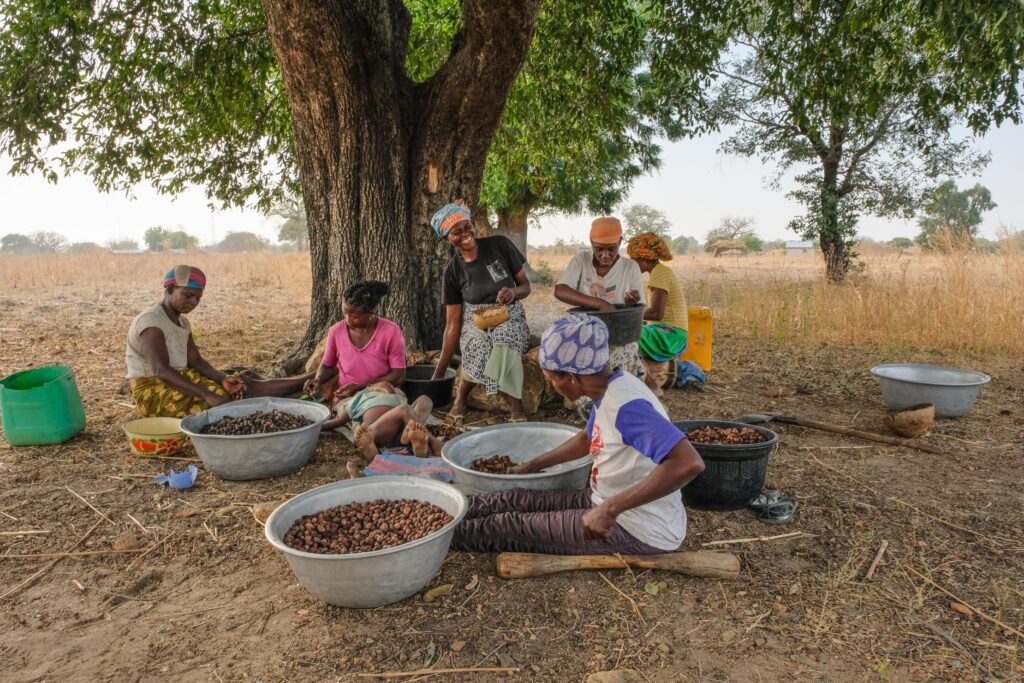
Consider Northern Ghana’s shea butter industry. For decades, producers sold raw butter at commodity prices. Then cooperatives like “Savanna Naturals” transformed their approach. First, they documented their wild-harvesting process (preserving biodiversity by collecting shea nuts only from fallen fruit). Next, they partnered with Bena & Partners to navigate Fair Trade certification, leveraging Ghana EXIM Bank’s 50% subsidy to offset the GHS 5,000 audit cost. Crucially, they redesigned supply chains: shipping via sea freight instead of air reduced carbon emissions by 90%, allowing them to market as “carbon-neutral”. The result? A 300% export increase to luxury brands like L’Occitane within 18 months. This proves ethical production isn’t a cost center, it’s a profit accelerator when paired with verifiable storytelling.
Cocoa’s New Era
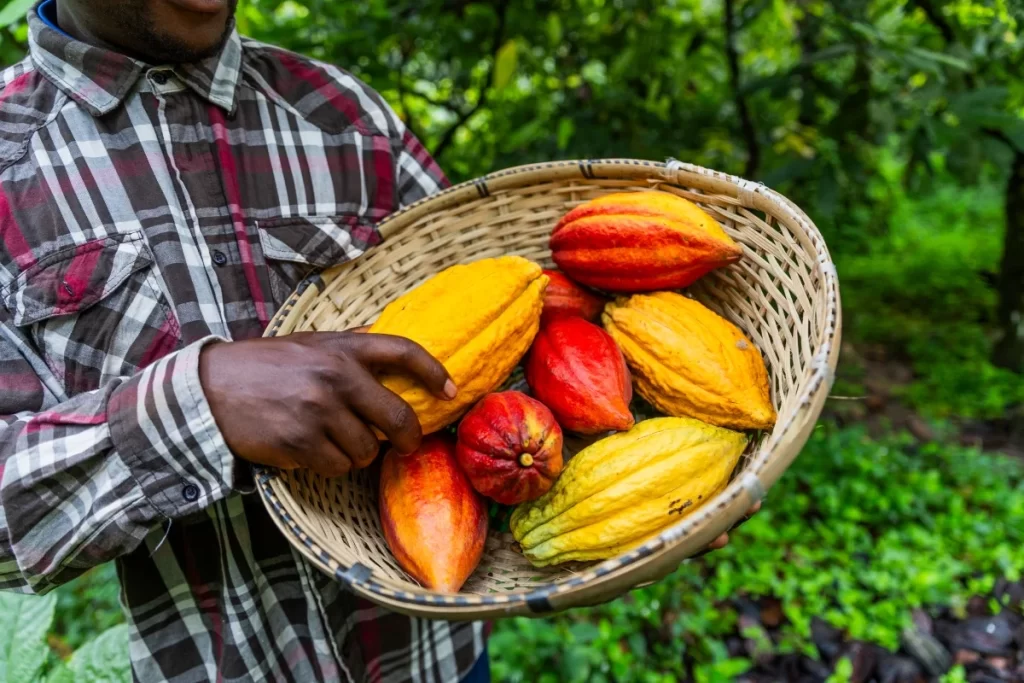
Ghana’s cocoa sector reveals even deeper potential. Global buyers like Nestlé now demand 100% traceable beans by 2025, driven by EU deforestation laws. Forward-thinking cooperatives like “Kuapa Kokoo” responded innovatively. By embedding QR codes on packaging, buyers scan to see farmer profiles, harvest dates, and sustainability practices, transforming anonymous beans into stories of impact. The Ghana Cocoa Board (2024) reports traceable beans command 25% higher prices, yet fewer than 15% of smallholders meet documentation requirements. This gap represents a strategic opening: SMEs who systematize provenance tracking can dominate premium markets.
Textile Innovation
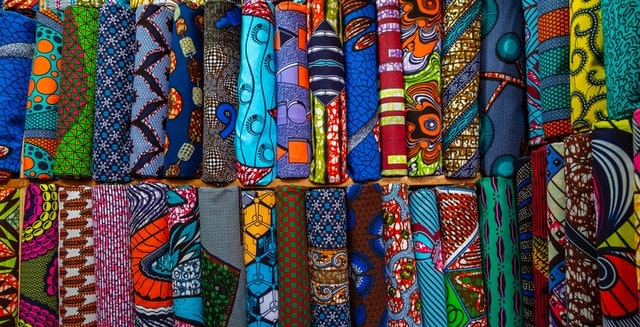
Accra-based “Dye-eco” exemplifies circular innovation. Facing competition from cheap Chinese imports, they pioneered dyes made from recycled mango pits (a byproduct of Ghana’s $200 million mango industry). This eliminated toxic chemicals while creating jobs in waste collection. When H&M discovered their process via TikTok, orders surged 200%. The lesson? Africa’s eco-buyers crave authenticity, not perfection. Dye-eco’s labels proudly state, “Each kg of dye reuses 10,000L of wastewater,” turning environmental stewardship into a marketing superpower.
Practical Pathways
Many Ghanaian producers hesitate, fearing high certification costs or complex regulations. This is where strategy separates leaders from laggards. Begin by auditing one product line using the Ghana EPA’s free Sustainability Scanner, a tool that benchmarks operations against 20 environmental indicators. Focus on your most compelling story: perhaps it’s water conservation in textile dyeing, or shade-grown cocoa that preserves bird habitats. Then, prioritize certifications buyers recognize: Fair Trade for Europe, ECOWAS Green Tag for regional markets, or Halal for the Middle East. Remember, premiums must cover costs. Price sustainably by calculating: Production Cost plus 40% (for sustainability features) plus 15% (ethical markup). A cassava flour producer in Kumasi used this formula to justify a 55% price increase by highlighting plastic-free packaging and solar-powered processing.
Your Opportunity
The eco-conscious wave won’t wait. While competitors scramble, forward-thinking SMEs are securing buyer loyalty through transparency and impact. If you’re ready to transform sustainability from a buzzword into margins, start with our free 30-minute Green Profit Audit. We’ll map your unique sustainability angle, identify cost-effective certifications, and connect you with vetted buyers, all with zero obligation.
Transform financial stress into strategic advantage in one session.